Why Timber Frame Is Taking Over Europe
May 28, 2026Why Timber Frame Is Taking Over Europe
Across Europe, a quiet construction revolution is underway. From Scandinavia to the UK, Germany, and France, timber frame building is rapidly becoming the method of choice. Driven by climate targets, rising energy costs, and demand for faster, cleaner construction, it has shifted from niche to mainstream. Here's why.
What Is Timber Frame Construction?
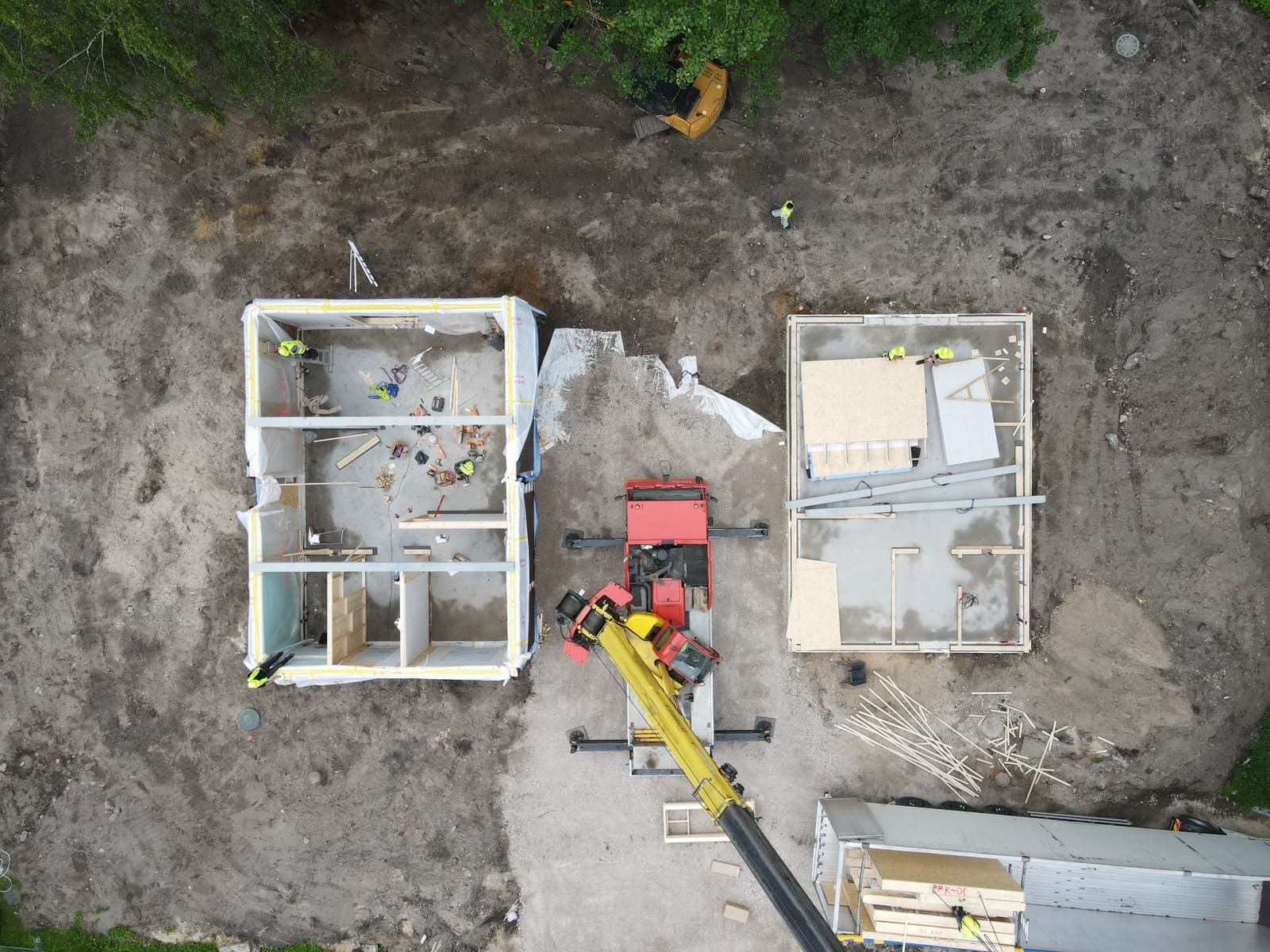
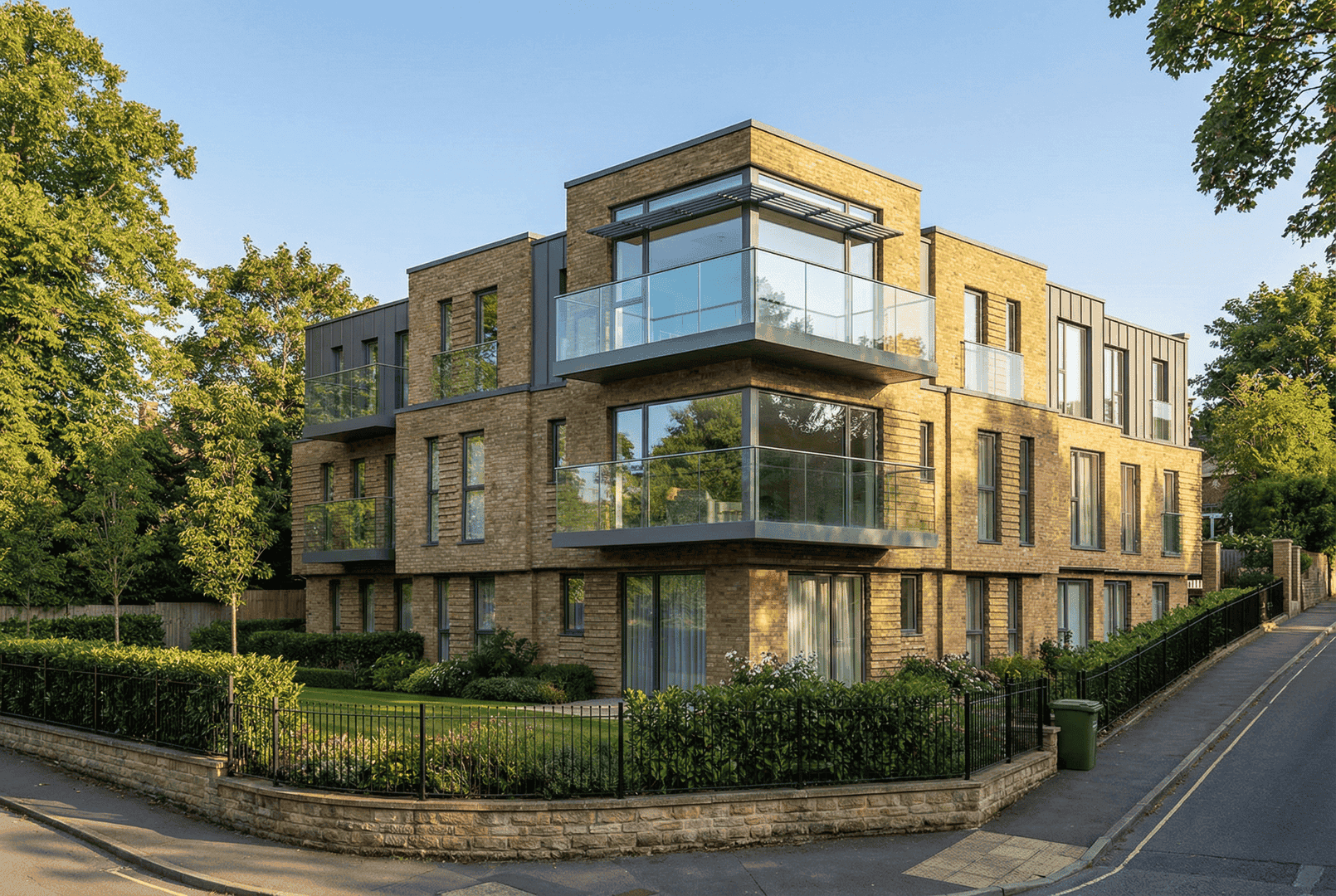
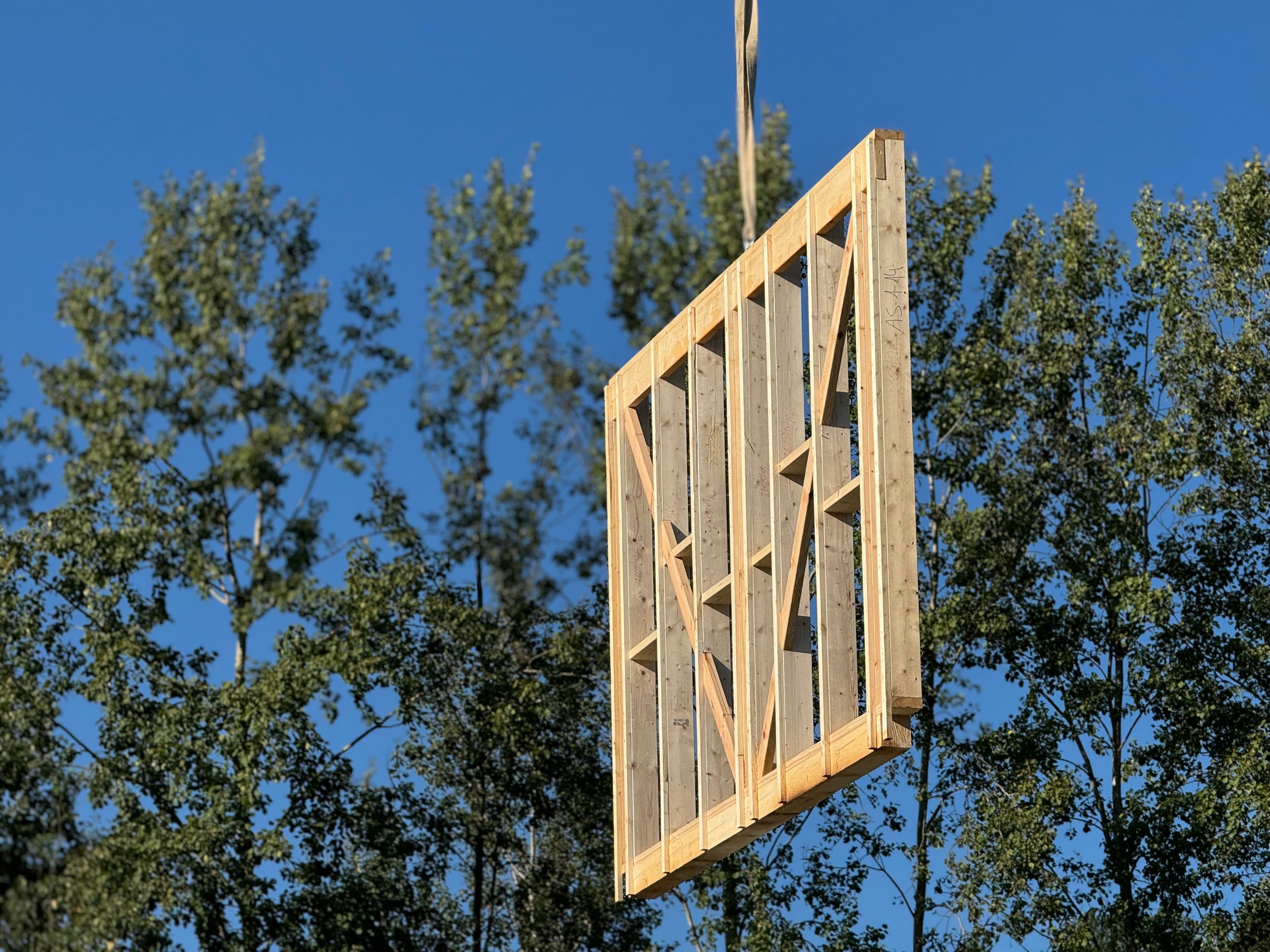
Timber frame construction uses a skeleton of engineered or solid wood as the primary structural support, rather than load-bearing brick or block. The frame carries the building's weight, while other materials handle cladding and weatherproofing. Frames are typically prefabricated off-site and assembled on location, which dramatically shortens build times. The exterior can still be finished in brick, render, or stone, so a timber frame home need not look any different from a masonry one.
Key Benefits of Timber Frame Systems
The advantages explain its growing dominance. Prefabrication means a weathertight shell can go up in days, cutting labour costs and delays. Timber is renewable and stores carbon, giving it a far lower footprint than concrete or steel. Factory production reduces waste and keeps sites cleaner and safer. The material is easy to work with, allowing flexible designs, and controlled manufacturing makes budgeting more predictable.
Energy Efficiency and Thermal Performance
The single biggest driver behind the surge is energy efficiency. As nations push toward net-zero and tighten building regulations, thermal performance has become a top priority, and timber frame excels. Wood is a naturally poor conductor of heat, giving timber frame walls an inherent insulating quality before any extra materials are added.
How Timber Frame Improves Energy Efficiency
The real gains come from wall construction. Deep structural cavities can be packed with high levels of insulation, achieving excellent U-values and minimal heat loss. Modern designs reduce thermal bridging, and factory-precise construction delivers exceptional airtightness with fewer draughts.
The Future of Timber Frame Construction in Europe
The trajectory points firmly upward. Europe's drive to decarbonise the built environment makes low-carbon construction essential, and timber sits at the heart of that shift. Advances in engineered products like cross-laminated timber and glulam are enabling taller, more ambitious buildings, while supportive policy and labour shortages favour fast, prefabricated methods. Timber frame is no longer the alternative choice, it's becoming the obvious one. For a Europe determined to build greener, faster, and smarter, the future is increasingly being framed in wood.